
WashU collaboration selected by NSF FINDERS FOUNDRY to advance edtech innovation
A collaboration between WashU’s Institute for School Partnership (ISP) and the Digital Intelligence & Innovation (DI2) Accelerator has been selected for the first-of-its-kind Fostering Interdisciplinary Network Driven Educationally Responsive Solutions Foundry (NSF FINDERS FOUNDRY).
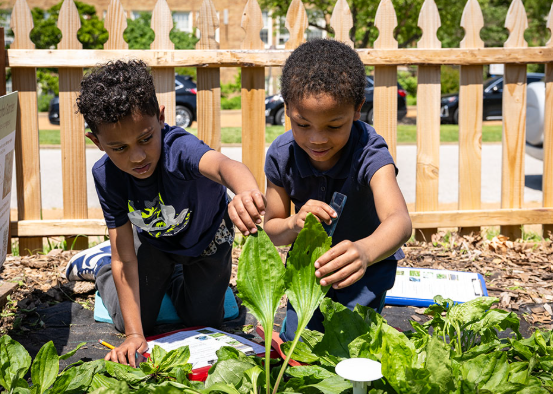
‘Plants get sick!’: WashU scientists, U. City students research plants together
The ISP team recently partnered with Rachel Penczykowski, associate professor of biology in WashU Arts & Sciences and an expert on infectious disease in plants, to produce an educational video called “Plants Get Sick!” to introduce educators and their students to her research and its methods.
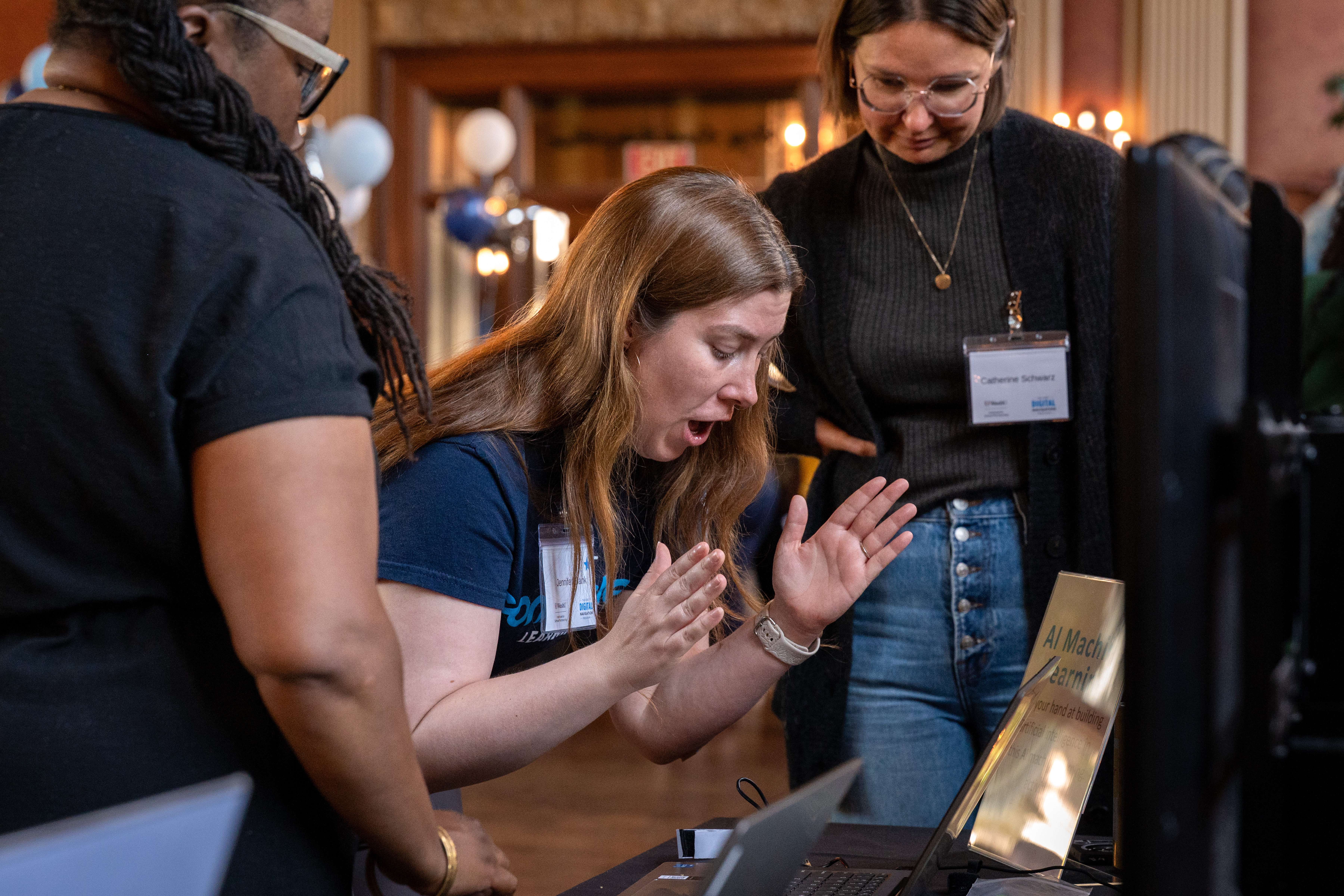
WashU, AT&T partnership helps teachers use educational tech tools effectively
Many of us remember nursery school as a time for finger painting and story time, but prekindergarten is also when children learn important math concepts — not just counting, but how to create patterns, recognize shapes, measure objects and compare quantities. Hazelwood has partnered with ISP’s innovative Math314 program to improve classroom instruction and student outcomes.

Busch Stadium
Explore science lessons about force and motion in baseball for K-8 students and adults alike at Busch Stadium.

Gateway Arch & Riverfront
Visit the Gateway Arch and Riverfront to explore how St. Louis weather, climate, and topography have impacted both the design of the Arch and the ecosystems around the Mississippi Riverfront.

Plants and Animals in Your Yard
iNaturalist app, household items

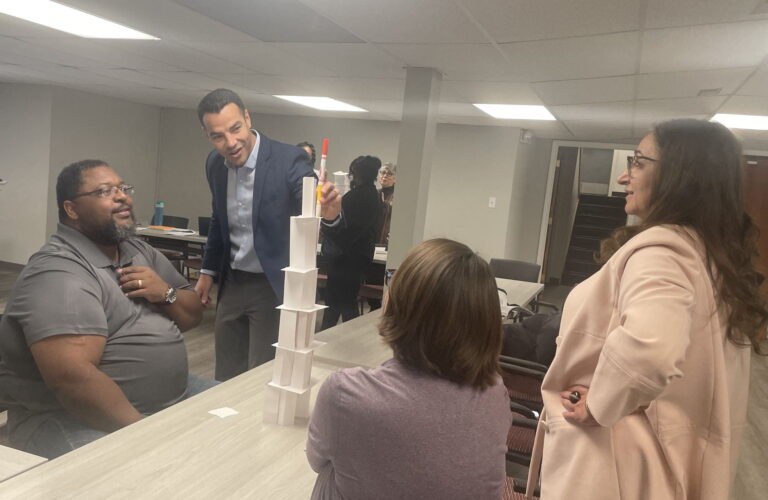
Creating time, space for educators to deepen leadership bench on teams
When Principal Cryslynn Billingsley gathers with the teaching team at Jennings Senior High and College Prep Academy, she tells them something that is both daunting and empowering.
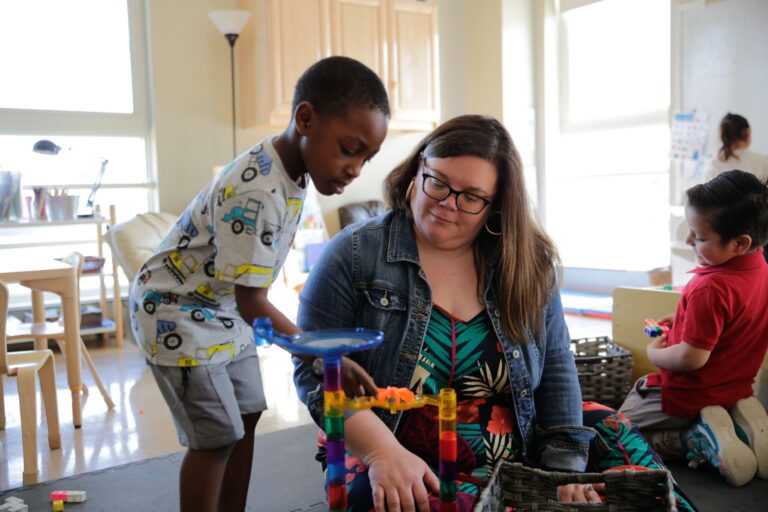
ISP releases key recommendations for high-quality, equitable math instruction for early childhood learners
Rigorous early childhood math education is vital for students’ future academic and lifelong success, yet many preschool children lack opportunities to engage in math learning.

ISP Instructional Specialists Co-Author Article in Science and Children
When teachers have opportunities to actively participate in and “try on” ambitious science teaching strategies, they have more confidence and feel more prepared to engage their students in meaningful, three-dimensional science learning.