When it came to math instruction, the students in Shamya Day-Smith’s fourth grade class at Armstrong Elementary in Hazelwood were not excited. She began reaching out to parents to address the lagging student engagement.
The responses she received were varied: “Why can’t they learn math like we did? This new math is too much. My child can’t do it like that.”
Knowing she had to do something different, Day-Smith decided to record and post her first of many math videos on TikTok, YouTube and ClassDojo, an educational technology platform that connects teachers, students and families. These videos allowed her to show parents the standard algorithm and connected it to the strategies that were being used in the classroom.
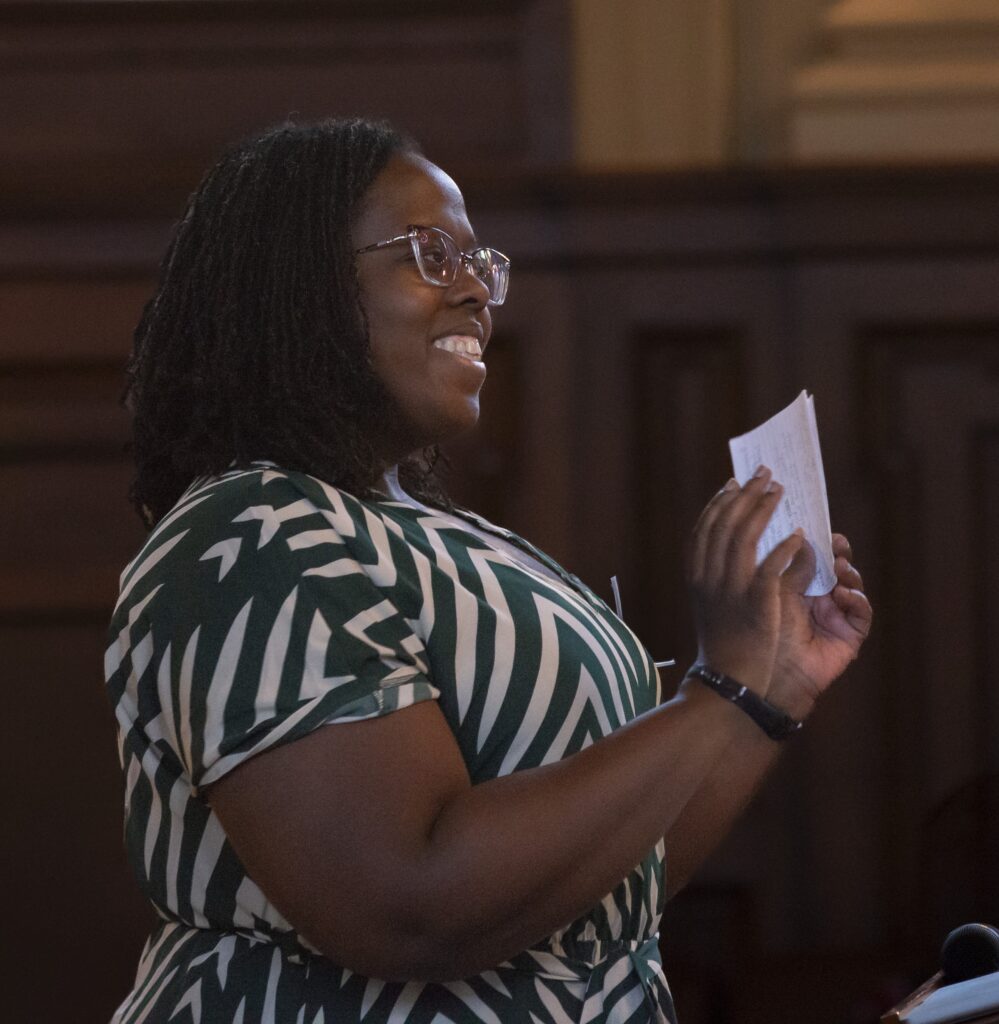
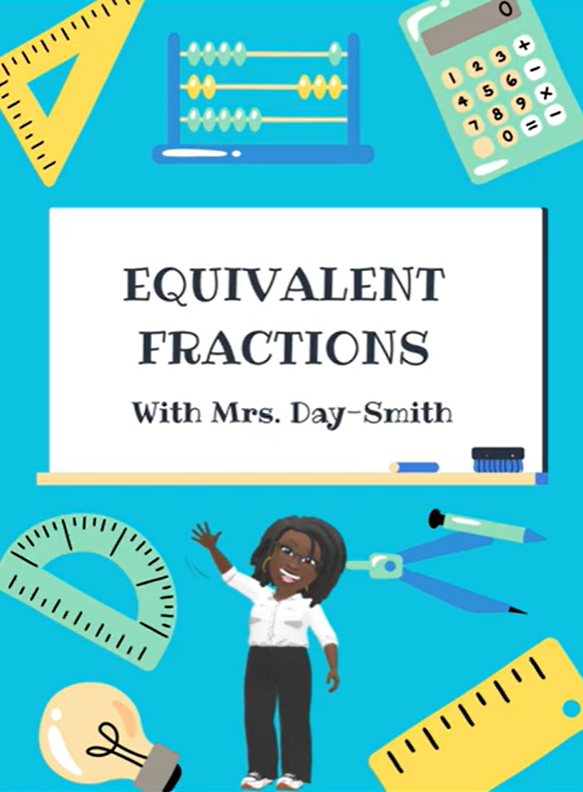
“I received feedback instantly,” she says. “Parents began to ask questions and share their child’s favorite strategies. Soon after, my students began to share their excitement. They looked forward to me posting videos, and a few of them even searched for other videos to help them with their homework. When I used the videos during class, the room would buzz with conversation about math.”
Behind the scenes, Day-Smith was making even more of the experience by partnering with researchers and instructional specialists with WashU’s Institute for School Partnership (ISP), to research and measure student outcomes associated with using the videos as a learning tool. Her research, “We Don’t Talk about New Math: Bridging the Generational Gaps in Mathematics,” yielded some valuable insights based on data.
Students who typically experienced anxiety during assessments demonstrated increased confidence and improved stamina while completing assignments over the course of the study. In addition, 75% of her fourth-grade students had at least one parent view the instructional video on adding and subtracting fractions. Following this, the class achieved an average score of 78% on the initial quiz assessing their understanding of adding and subtracting fractions.
Day-Smith’s research, along with the research work of 20+ other teachers from across the St. Louis region, was on display at the ISP Educator Showcase, held May 5, 2026 in Holmes Lounge on WashU’s Danforth Campus.
Classrooms as a source of knowledge
“ISP’s Educator Showcase is the culmination of a year-long practitioner research program designed to prepare educators to be thought leaders, knowledge producers, and change agents in their schools and districts,” says ISP Research and Evaluation Specialist Alison Brockhouse.
Each fall, educators work with the ISP team to identify problems of practice and promising innovations. Drawing on research-based practices, structured data collection, and their own professional knowledge and experience, Showcase educators then test ideas and refine their approaches in ongoing inquiry cycles.
The Showcase started in 2023, and during that time, more than 80 teachers, instructional coaches and administrators have shared their work.
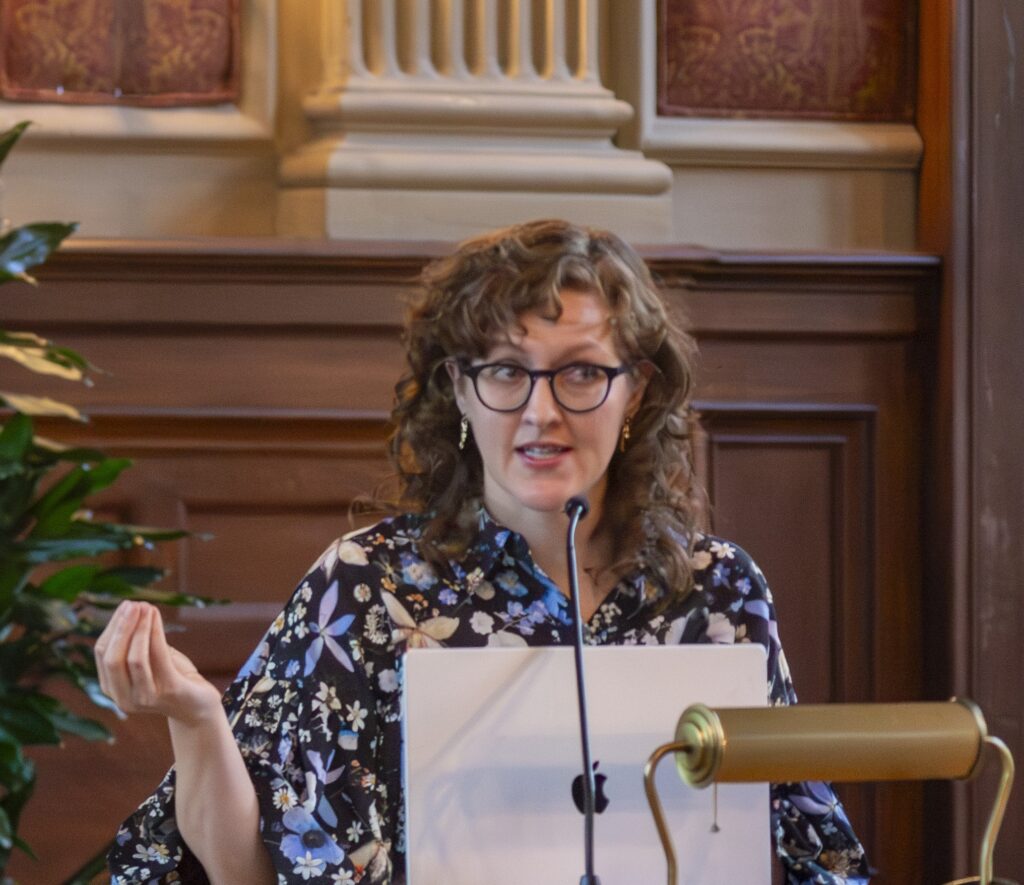
Brockhouse adds, “Whether they are evaluating a curriculum resource, trying a new instructional approach, or solving a persistent classroom problem, these educators are building knowledge about what works best in PK-12 education. The research program and the Showcase event bring teachers’ ideas out of the classroom and into a space where educators can learn from each other and share their innovations with district leaders and WashU researchers. This is really an important distinction.
Innovations in education often flow from research to the classroom and we’re hoping to balance that by demonstrating that classrooms are also an important source for knowledge production.”
Alison Brockhouse, Institute for School Partnership
Iterating for ongoing improvement
Mandy Harvell, a Project Lead the Way (PLTW) teacher at Ritenour Middle School, has been part of the ISP Educator Showcase all four years. She brought a wealth of classroom experience with her to the first event, having taught math for 16 years and serving as a math instructional coach. As her roles have evolved, so has her research.
“When I was an instructional specialist, the work was extremely math-focused,” Harvell says. “I was working with multiple teachers and projects related to high-level tasks, so that first showcase project was focused on engineering those tasks with a real-world connection.”
The second year, Harvell’s role and work as a PLTW teacher shifted to what she calls math adjacent. Her showcase research in 2024 and 2025 reflected that work.
“I was excited to keep working with the ISP. I started to look for places in my PLTW curriculum where math showed up. For lessons on energy and the environment, we worked on calculating percentages and using ratios to understand graphs, anything related to that hands-on, real-world application of very basic math skills.”
In 2025, she took hands-on to a whole new level, engaging students in the process of integrating and working with other people. The research, “Building Beyond the Nest: A Hands-On STEM Experience in Chicken Coop Construction and Courtyard Design,” provided students an opportunity to consider all aspects of a project.
“The students used architectural software and real-world skills to develop a deeper understanding of measurement, scale factor, and the design process, while increasing their overall engagement in STEM,” Harvell says.
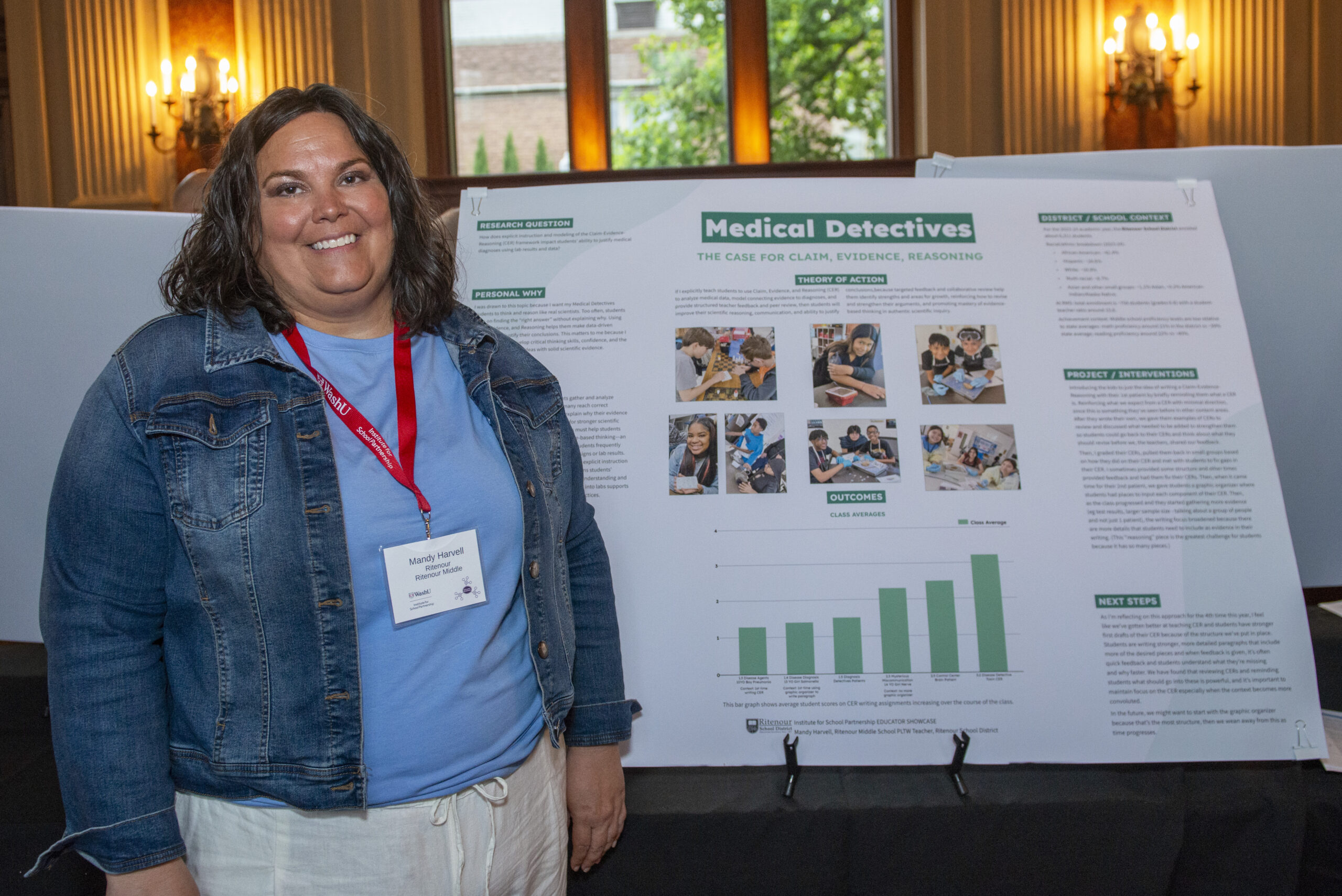
In 2026, she shifted focus to helping students improve mastery of evidence-based thinking in authentic scientific inquiry with “Medical Detectives: The Case for Claim, Evidence and Reasoning.”
“I was drawn to this topic because I want my students to think and reason like real scientists. Too often, students focus on finding the ‘right answer’ without explaining why,” adds Harvell.
In her Medical Detectives class, students gather and analyze medical data to ‘diagnose’ patients, working independently and in groups to strengthen their skills articulating their reasoning evidence.
“When it came time to diagnose the second patient, the class had progressed. As they started gathering more evidence (test results, larger sample sizes) the writing focus broadened because there was more evidence to factor into their reasoning,” says Harvell.
The project, like all of the Showcase research work, was grounded in research. Harvell collected qualitative data (student work samples pre/during/post CER intervention, as well as quantitative (communications proficiency scale grades and progress).
Because PLTW classes are repeated quarterly, Harvell can observe, learn and adjust the lessons immediately for the next group of students.
“By the end of the year, with fourth quarter kids, because of what I learned in the first three quarters, I was able to anticipate what the students needed at the beginning to be able to write a solid scientific proposal.”
Harvell says that her research work with the ISP has changed the way she approaches curriculum and instruction altogether. Her comfort level with iteration, especially Plan-Do-Study-Act (PDSA), a problem-solving model used for process improvement and testing changes on a small scale, feels very natural.
“I approach all lessons and planning this way now,” she says. “Ask what worked, then adapt, adopt or abandon.”
Posters developed by Educator Showcase participants are available for review and download on the ISP website.